
5 Ways to Prepare Your Home for Painters (2026 Guide)
To prepare your home for painters, clear the workspace by moving furniture to the centre of the room, removing all wall decorations, and cleaning surfaces of dust or grease. Protecting flooring with drop cloths and securing pets ensures a smooth, efficient process for a high-quality professional finish.
Taking the time to get your space ready is the most effective way to ensure your residential painting project stays on schedule and within budget. While professional painters are experts at the application of paint, their efficiency is significantly boosted when they don't have to navigate around cluttered rooms or fragile ornaments. By following a structured preparation plan, you minimise the risk of accidental damage to your belongings and provide the painting team with the clear access they need to achieve crisp lines and even coverage. For homeowners in Melbourne’s south-east, being prepared also means accounting for our local climate and ensuring the environment is controlled for the best results.
How do I prepare my interior walls for professional painting?
Preparing your interior walls involves more than just picking a colour; it’s about creating a blank canvas. When you book an interior painting service, the first thing you should do is address anything currently hanging on or attached to the walls. This includes pictures, mirrors, clocks, and shelving units. Even if you plan to hang the items back in the same spot, removing the nails or hooks allows the painters to patch the holes and sand the surface for a perfectly smooth finish. If you don't remove them, the painters might assume you want them painted over or around, which can lead to an uneven look later on.
Next, consider your window treatments. Curtains, drapes, and blinds should be taken down completely. Not only do these items get in the way of painting the window frames and surrounding walls, but they are also magnets for fine sanding dust. Once the fabric is removed, place it in a sealed bag or move it to a different room to keep it clean. Don't forget the small details like switch plates and outlet covers. While many professional teams will handle this, doing it yourself beforehand ensures that no screws go missing and allows you to clean those often-grimy areas that have been hidden for years.
- Remove all wall art and mirrors.
- Take down curtains, blinds, and rods.
- Unscrew light switch and outlet covers.
- Remove rugs and small floor items.
- Clear off all mantelpieces and floating shelves.
Essential Steps for Furniture and Flooring Protection
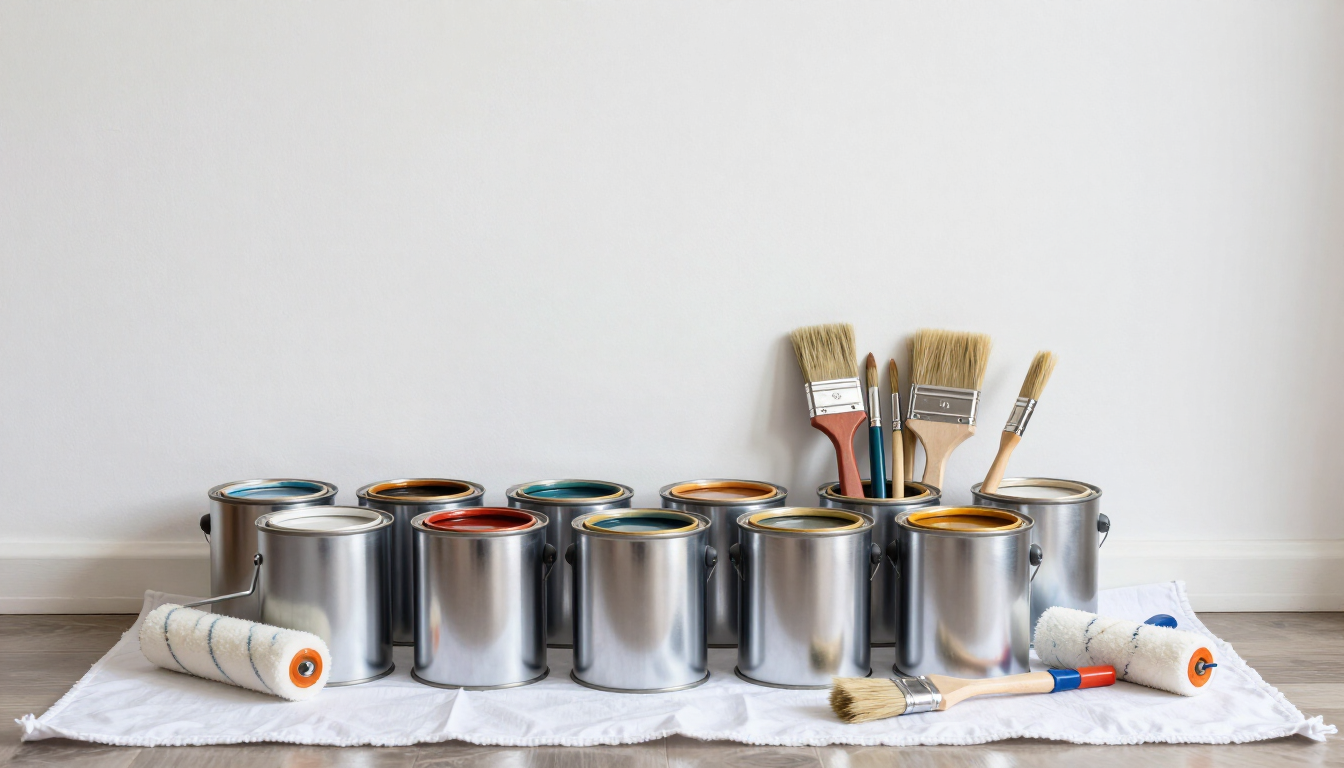
cessarily need to move every piece of furniture out of the room, but you do need to make it accessible. The industry standard is to move all large items, such as sofas, dining tables, and beds, to the centre of the room. This creates a "walkway" of at least one metre around the perimeter of the walls. Once gathered in the centre, these items should be covered with heavy-duty plastic sheeting or clean drop cloths to protect them from any stray splatters or dust generated during the repainting process.
Flooring is equally important. Even the most careful painter can have a drip, so ensuring your hardwood, tiles, or carpets are fully covered is vital. Professional painters usually provide their own drop cloths, but it helps if the floors are vacuumed or swept before they arrive so the cloths sit flat and don't trap grit underneath that could scratch your floorboards. If you have particularly delicate flooring, such as high-gloss timber, mention this during your initial Contact Us conversation so the team can bring appropriate protective materials.
Should I clean my house before the painters arrive?
Yes, a clean house leads to a better paint job. You don't need to do a "spring clean" of the entire property, but the specific areas being painted must be free of debris. Dust, cobwebs, and pet hair are the enemies of a fresh coat of paint. If a painter rolls over a cobweb, it becomes embedded in the finish, creating a permanent texture that is difficult to fix. Focus your cleaning efforts on the baseboards, crown moulding, and the corners of the ceiling where spiders tend to congregate. A simple wipe-down with a damp cloth is usually sufficient for most walls.
In kitchens and bathrooms, preparation needs to be a bit more intensive. Cooking grease and soap scum create a film on the walls that prevents paint from adhering correctly. If these surfaces aren't cleaned with a degreasing agent, the new paint may peel or bubble within a few months. For residents in Hallam and surrounding suburbs, where humidity can sometimes be an issue, ensuring the walls are completely dry after cleaning is just as important as the cleaning itself. If you're unsure about the state of your walls, you can always check our gallery to see the level of finish we achieve with proper preparation.
- Dust all baseboards and ceiling corners.
- Wipe down kitchen walls with a degreaser.
- Remove pet hair from the workspace.
- Vacuum floors to ensure drop cloths sit flat.
- Ensure all cleaned surfaces are bone dry.
Outdoor Prep: Getting Ready for Exterior Painting
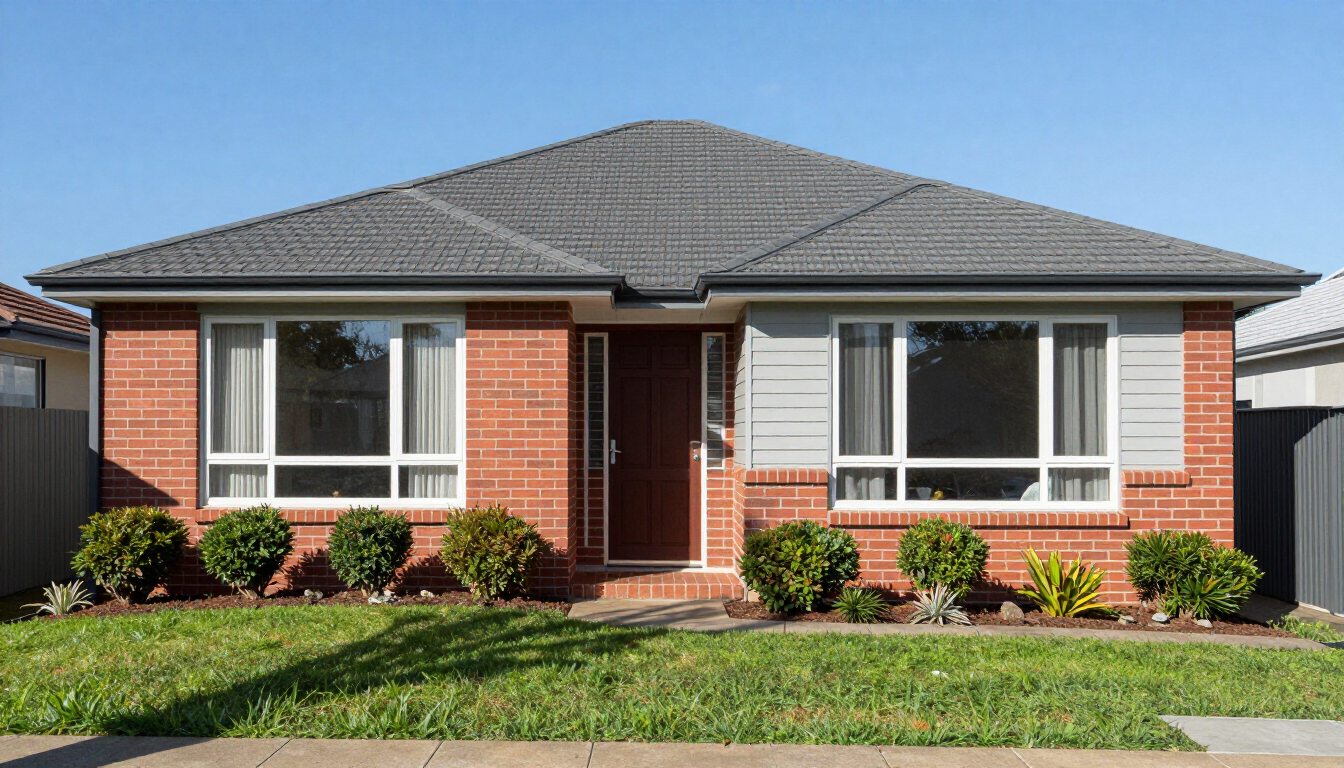
When it comes to exterior painting, the preparation steps change slightly. Nature is the biggest variable here. Start by inspecting the perimeter of your home. Any bushes, tree branches, or vines that are touching the walls need to be trimmed back by at least 30 to 50 centimetres. This gives the painters room to move and prevents wet paint from being smeared by wind-blown foliage. Additionally, if you have a sprinkler system, ensure it is turned off at least 24 hours before the project begins to ensure the siding or masonry is completely dry.
Don't forget about your outdoor furniture and vehicles. Move cars out of the driveway and away from the house to avoid any overspray, especially on windy Melbourne days. Outdoor grills, potted plants, and garden ornaments should be moved to the centre of the yard or into a garage. If you have a fence painting job scheduled at the same time, make sure the area along the fence line is clear of weeds and debris so the painters can reach the bottom rail easily. Clear communication with your neighbours is also a good idea if the painting is happening close to the property line.
What should I do with my pets and children?
Safety is a primary concern during any home improvement project. Painting sites can be hazardous for curious toddlers and pets due to ladders, open paint cans, and various tools. Ideally, children should be kept out of the active work zones entirely. If you can’t be out of the house, setting up a designated “safety zone” in a part of the home that isn't being painted is a great solution. This keeps them away from fumes and ensures the painters can work without worrying about tripping over toys or little feet.
Pets, particularly dogs and cats, can be stressed by the presence of strangers and new smells. Beyond the stress, pet hair can easily blow into wet paint, ruining the finish. If possible, keep your pets in a gated room, a crate, or at a friend’s house for the duration of the work. If you are having exterior work done, ensure that dogs are not left in the yard where they might interact with the painters or escape through an open gate. Most professional teams are animal lovers, but they are focused on the task at hand and shouldn't be responsible for pet supervision.
Preparing Your Home for a Successful Painting Day
Proper preparation is the secret ingredient to a flawless residential painting project. By clearing the workspace, protecting your valuables, and ensuring the surfaces are clean, you set the stage for the professionals to do their best work. Remember that a little effort before the team arrives can save hours of time and prevent unnecessary stress during the project. Whether you are refreshing a single room or undergoing a full exterior transformation, these steps ensure that the process is as smooth and enjoyable as possible.
- Clear the workspace of all obstacles.
- Protect furniture and floors with covers.
- Clean walls of dust, grease, and webs.
- Secure pets and children for safety.
- Provide clear access to water and power.
In summary, your involvement in the preparation phase is just as important as the skill of the painter. A well-prepared home allows for better precision, faster completion times, and a significantly higher quality of finish. If you have any specific questions about your home’s layout or unique challenges, don't hesitate to reach out to your painting team early. Now that you know how to prepare, you can sit back and look forward to the beautiful transformation of your Melbourne home.